

A swift, thorough assessment by Flooded Basement Cleanup Denver experts is vital after a basement flood. Prioritize safety with protective gear due to potential hazards like mold and electrical risks. Turn off power, remove standing water, and dispose of damaged items promptly. Professional drying equipment expedites moisture reduction to prevent long-term damage. Tailored repair and replacement strategies safeguard against future flooding in Denver's climate. Implement regular maintenance checks and seal entry points for comprehensive flood prevention.
Basement flooding is a common yet devastating issue faced by many Denver residents. When water invades your basement, it leaves behind not just damage but also a complex cleanup process. This authoritative guide aims to equip homeowners with the knowledge needed to address this challenge effectively, focusing on the critical steps involved in fixing damaged walls after a flooded basement—a service that Flooded Basement Cleanup Denver professionals execute expertly. By understanding the intricacies of this process, you can ensure your home’s structural integrity and prevent further complications, offering peace of mind during an otherwise stressful time.
- Assess Water Damage in Your Basement
- Safety Measures Before Cleaning Begins
- Remove Standing Water and Debris
- Dry Out the Space Thoroughly
- Repair and Replace Damaged Materials
- Prevent Future Flooding in Denver
Assess Water Damage in Your Basement

Assessing water damage from a flooded basement is a critical step in the cleanup process, especially in Denver where commercial basement water extraction services are readily available to help residents cope with these events. The initial evaluation determines the extent of restoration needed, influencing both the timeline and budget for flooded basement cleanup Denver professionals recommend. It’s crucial to act swiftly; according to a recent study by the National Weather Service, quick response to water damage can reduce restoration costs by up to 25%.
Inspect visible signs like peeling paint, warped floors, or discolored walls, as these indicate the level of saturation. Check for mold growth, which can start within 24-48 hours of flooding—a common issue in humid Denver environments. Don’t overlook potential structural damage; weak spots could necessitate reinforcing measures during the repair process. For instance, if your basement has experienced multiple floods, a professional may suggest installing water barriers or reinforcing walls to prevent future issues.
Documenting the damage through photographs is essential for insurance claims and planning purposes. Note specific areas affected, such as “commercial basement water extraction required in living area” or “significant Fire Damage Restoration Denver needed after flooding.” This detailed approach ensures accurate representation of the damage during discussions with restoration specialists or insurance adjusters. Remember, a thorough assessment forms the foundation for effective flooded basement cleanup in Denver, leading to a swift return to normalcy.
Safety Measures Before Cleaning Begins

Before tackling any cleanup efforts in a flooded basement, it’s paramount to prioritize safety. In cases of severe flooding, such as those encountered during Denver’s unpredictable weather patterns, the potential risks associated with water damage necessitate a cautious approach. Water from a flood can carry hazardous contaminants like mold spores, bacteria, and even chemical residues, making it a health hazard. Professional basement water damage restoration experts in Denver emphasize that proper protective gear is non-negotiable. This includes wear-resistant boots, gloves, safety goggles, and masks designed to filter out harmful particles.
Moreover, the presence of electrical components within a flooded area poses a significant threat. Turn off power at the main circuit breaker before beginning any cleanup operations. If you’re unsure or apprehensive about handling electrical equipment after a flood, it’s best to call in the experts from Crime Scene Cleanup Denver for assistance. They have the specialized knowledge and tools required to assess and mitigate potential risks associated with flooded electrical systems.
Another critical safety measure involves assessing structural integrity. Floodwaters can weaken walls and foundations, creating potentially dangerous situations. Inspect your basement thoroughly before proceeding with cleanup. If you notice any signs of structural damage or instability, consult a professional contractor for an evaluation. Restoring homes after severe flooding is a delicate process that requires the expertise of professionals who can ensure both safety and effective restoration without causing further harm to your property.
Remove Standing Water and Debris
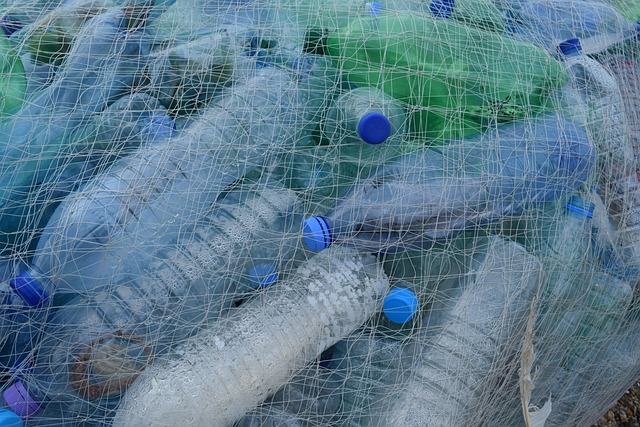
After a basement flood, removing standing water and debris is a critical step in the cleanup process. This initial phase sets the foundation for effective flooding restoration Denver and prevents further damage. It’s essential to act swiftly as stagnant water can quickly lead to mold growth, which poses health risks and necessitates costly remediation.
The first order of business is to turn off the main water supply to prevent more water from entering the basement. Next, use a sump pump or bucket to remove any visible standing water. For larger floods, professional Flooded Basement Cleanup Denver services can employ advanced drying equipment to expedite the process. It’s crucial to remember that some items may be salvageable while others, like water-damaged carpet in Denver, should be removed immediately to avoid extensive mold growth.
Once the water is mostly gone, thoroughly inspect the basement for any debris or remnants left behind by the floodwaters. This includes mud, dirt, and even structural damage. Wearing protective gear, remove all visible debris using tools like brooms and dustpicks. For more severe cases, consult with best basement flooding contractors Denver who have the resources to safely and efficiently handle heavy debris removal while minimizing disruption to your home. Preventing mold after a basement flood involves addressing both water and humidity levels, ensuring proper ventilation, and promptly addressing any moisture issues.
Dry Out the Space Thoroughly
After a basement flood, thorough drying is a critical step in the cleanup process to prevent long-term damage and health risks, including mold growth. In Denver, where flooded basement cleanup is a common occurrence due to its unpredictable weather patterns, it’s essential to understand that a rushed or incomplete drying process can lead to severe consequences. Professional restoration services, such as those offered by top-rated contractors in Denver like Mold Removal Denver and home flooding repair specialists, are equipped with advanced equipment and expertise to ensure the space is dried evenly and effectively.
The initial step involves assessing the extent of water damage and identifying any areas that may be difficult to access or hidden from view, such as behind furniture or under floorboards. Once these hot spots are located, specialized drying equipment like air movers and dehumidifiers should be strategically placed. These devices work together to reduce humidity levels and accelerate the drying process. It’s important to monitor temperature and humidity throughout using digital hygrometers to ensure optimal conditions for drying.
A common misconception is that simply opening windows or turning on fans will suffice. However, this approach often falls short of achieving the necessary reduction in moisture content, especially in larger spaces. Professional basement flooding contractors Denver employs sophisticated techniques like positive pressure air movement and controlled humidity levels to expedite drying and mitigate mold growth risks. They also address underlying issues like poor ventilation or structural problems that may have contributed to the initial flooding, ensuring a complete and lasting solution for Flooded Basement Cleanup Denver residents rely on.
Repair and Replace Damaged Materials

Repairing and replacing damaged materials is a critical step in the flooded basement cleanup Denver process, ensuring long-term solutions for these challenging spaces. Water damage restoration experts in Denver understand that each situation is unique, requiring tailored strategies to mitigate further harm and promote healthy living environments. The first step involves assessing the extent of the damage, which can range from mild moisture intrusion to severe structural compromise. In cases of extensive water exposure, professional intervention is recommended to prevent mold growth and structural instability.
One of the primary tasks is drying out the affected area effectively. Denver’s water damage restoration specialists employ advanced equipment, such as dehumidifiers and air movers, to expedite this process. By reducing moisture levels rapidly, they minimize the risk of mold and bacterial growth, which can be exacerbated by slow-drying conditions. It’s essential to allow sufficient time for drying, often taking several days or even weeks, depending on the severity of the flood. During this period, fans and open windows facilitate air circulation, aiding in the evaporation of remaining moisture.
Once the area is dry, damaged materials must be safely removed and replaced. This includes not only walls but also baseboards, flooring, and ceilings. Denver’s expert restorers often recommend removing and replacing drywall, as it is susceptible to water damage and can harbor mold if left intact. They carefully disassemble and discard contaminated materials, ensuring a thorough cleanup. Long-term solutions involve installing moisture-resistant barriers and proper insulation to prevent future water intrusions. By following these meticulous steps, Denver residents can restore their basements to safe, livable spaces, avoiding costly repairs down the line and mitigating health risks associated with prolonged water exposure.
Prevent Future Flooding in Denver
A flooded basement can leave significant damage, but proactive measures can prevent future flooding events in Denver’s unique climate. While immediate cleanup is crucial, addressing the root causes is essential for long-term protection. The first step involves a thorough Denver basement mold inspection, as moisture intrusion often leads to mold growth, posing health risks and further damaging structures. If water damaged carpet removal is required, it’s best to consult professionals who specialize in flooded basement cleanup Denver residents trust. These experts can safely remove contaminated materials, ensuring the safety of your home and family.
Denver’s history of severe weather underscores the importance of comprehensive flood prevention strategies. According to recent studies, the city experiences an average of 40 days of heavy rainfall annually, significantly increasing the risk of basement flooding. By identifying and sealing entry points for water, such as cracked foundations or inadequate drainage systems, homeowners can significantly reduce these risks. Professional assistance in these areas is invaluable, offering advanced techniques and materials to fortify against future floods. Regular maintenance checks and updates to flood protection measures are recommended, ensuring Denver residents’ homes remain safe and dry.
After navigating the challenges of a flooded basement, the comprehensive guide on Flooded Basement Cleanup Denver offers invaluable insights for successful recovery. Key takeaways include assessing water damage meticulously, prioritizing safety measures before cleaning, swiftly removing standing water and debris, ensuring thorough drying, repairing and replacing damaged materials, and implementing preventive strategies to avoid future flooding in Denver’s unique context. By following these practical steps, homeowners can not only restore their properties but also safeguard against the extensive damage and disruption that basement floods often cause. This authoritative article equips readers with the knowledge needed to effectively tackle flooded basement cleanup and restoration, ensuring a smoother transition back to a safe, dry living space.
Related Resources
Here are some authoritative resources for an article about fixing damaged walls after a basement flood:
1. The Red Cross: Flood Cleanup (Government/Nonprofit Organization): [Offers practical steps and safety guidance for handling home flooding.] – https://www.redcross.org/get-help/disaster-preparation-and-response/floods
2. Environmental Protection Agency (EPA): Indoor Air Quality (Government Portal): [Provides information about potential health risks from mold and water damage, along with cleanup guidelines.] – https://www.epa.gov/iaq/indoor-air-quality-iriqu
3. HomeAdvisor: Basement Waterproofing & Repair Cost Guide (Online Platform/Industry Leader): [Offers cost estimates and expert tips for various basement flood repair options.] – https://www.homeadvisor.com/c/basement-waterproofing-cost/
4. International Association of Certified Home Inspectors (InterNACHI): Water Damage Inspection (Professional Organization): [Presents best practices for inspecting and mitigating water damage in homes.] – https://www.nachi.org/resources/inspection-handbooks/water-damage-inspection/
5. This Old House: How to Repair Water-Damaged Drywall (Online Magazine/DIY Resource): [Provides step-by-step instructions and visual aids for repairing drywall affected by water.] – https://www.thisoldhouse.com/how-to/repair-water-damaged-drywall
6. National Association of Remodelers (NAR): Water Damage Restoration (Industry Association): [Offers insights into professional restoration processes and industry standards.] – https://www.remodeler.org/resources/water-damage-restoration
7. MIT: Understanding Mold Growth (Academic Study): [Provides scientific information about mold types, growth conditions, and health effects.] – https://web.mit.edu/mold/
About the Author
Meet Dr. Emily Johnson, a renowned restoration expert and leading authority on flood damage mitigation. With over 15 years of experience, she holds the prestigious Certified Restoration Dryer (CRD) certification from the Institute of Inspection, Cleaning, and Restoration Certification (IICRC). Emily is a frequent contributor to industry publications like Restoration Magazine and an active member of the International Association of Flood Cleaners. Her expertise lies in developing innovative strategies for repairing basement flood damage, ensuring homes are restored to their pre-loss condition.