

Flooded Basement Cleanup Denver requires a systematic approach due to potential contamination and structural instability. Key steps include thorough inspection, professional services with specialized equipment, adherence to safety protocols, and compliance with local building codes. Initial assessment identifies hazards, followed by advanced drying techniques, removal of damaged materials, and structural repairs. Regular moisture monitoring ensures safe remodeling conditions. Consulting professionals is vital for effective navigation of post-flood renovation requirements.
Basements are the heart of many Denver homes, but they’re also particularly vulnerable to the region’s unpredictable weather, especially flooding. A flooded basement presents not just a cleanup challenge but potential structural damage and health hazards that require expert intervention. In this authoritative guide, we delve into the intricacies of Denver flooded basement cleanup, offering practical insights and professional advice tailored to the unique needs of these situations. Our aim is to equip homeowners with the knowledge they need to ensure their properties are restored safely and effectively after a flood.
- Assessing Flood Damage in Denver Basements
- Safe Cleanup Practices After a Basement Flood
- Restoring Structural Integrity: Repair Steps
- Dry Out and Deodorize for Healthy Spaces
- Remodeling Ideas to Maximize Post-Flood Space
- Building Code and Safety Considerations for Denver
Assessing Flood Damage in Denver Basements

Assessing flood damage in Denver basements requires a systematic approach due to the potential for extensive contamination and structural instability. After a flood, homeowners often face daunting challenges, from water removal to mold prevention and structural repairs. The initial step is conducting a thorough inspection to identify the extent of the damage. This involves evaluating the water level and duration of contact with different materials, as well as checking for visible signs of water intrusion or leaks.
In Denver, where basement flooding is not uncommon, it’s crucial to engage professional services like Advanced Restoration Colorado. They bring specialized equipment and expertise in flooded basement cleanup Denver residents trust. Their team assesses the situation, determines the source and type of contamination, and provides a detailed plan for restoration. This includes removing saturated items, drying out the space, and decontaminating surfaces to prevent mold growth, which can be a significant health hazard.
Comparing basement flooding services in Denver reveals a range of offerings. Reputable companies like Advanced Restoration Colorado employ advanced techniques such as air movement systems, dehumidifiers, and injectors to expedite drying processes. They also offer restoration packages tailored to individual needs, ensuring a comprehensive approach to repairing and restoring flooded basements. Homeowners should consider the company’s experience, certifications, and customer reviews to make informed decisions when selecting a service for home flooding repair near them.
Safe Cleanup Practices After a Basement Flood

After a basement flood, safe cleanup practices are paramount to protect both health and property. In Denver, where severe weather events have increased in frequency and intensity, flooded basement cleanup requires careful consideration of potential hazards. Water from floods can harbor harmful bacteria, mold, and other pathogens, making it crucial to employ proper safety measures throughout the cleanup process. The first step is to ensure personal protective equipment (PPE), including gloves, boots, and masks, is worn to minimize exposure to contaminated water.
Professional Denver flood recovery companies emphasize the importance of documenting damage before beginning cleanup. This involves taking photographs and creating an inventory of affected items for insurance purposes. Once documentation is complete, the next phase focuses on removing standing water using pumps and vacuums designed for this purpose. It’s essential to avoid using household appliances or tools not meant for water extraction, as they can spread contamination and damage underlying materials. After water removal, drying out the basement thoroughly becomes a top priority to prevent mold growth and structural issues. Professional companies utilize advanced equipment like dehumidifiers and air movers to expedite drying and create an environment conducive to safe restoration.
Restoring homes after severe flooding requires a multi-step approach. Following proper cleanup practices, such as disinfecting surfaces and addressing potential mold issues, is critical. Denver residents should consider engaging specialized professionals who have the expertise and resources to handle complex basement flooding cleanups effectively. According to recent studies, prompt action within 24-48 hours of flooding can significantly reduce the risk of long-term damage and health hazards associated with water-damaged environments. Therefore, time is of the essence when navigating the Denver flood recovery process, ensuring homes are restored safely and efficiently.
Restoring Structural Integrity: Repair Steps

After a flooded basement in Denver, restoring structural integrity is paramount to ensure safety and prevent long-term damage. The first step in any flooded basement cleanup Denver project is assessing the extent of the water intrusion and identifying potential hazards. This includes checking for electrical shorts, gas leaks, and mold growth, which can be exacerbated by moisture. Once these immediate dangers are mitigated, the focus shifts to drying out the space effectively. Utilizing advanced equipment like dehumidifiers and air movers, professionals aim to reduce humidity levels to prevent wood rot and structural deterioration.
Basement flooding repair in Colorado requires a systematic approach. Experts begin by removing damaged materials, such as drywall or insulation, that cannot be salvaged. Next, they apply specialized treatments to affected areas, including antimicrobial solutions to inhibit mold growth and chemical injections to stabilize porous surfaces. Structural repairs often involve replacing damaged studs or subfloors with new, treated materials. It’s crucial to ensure these repairs align with local building codes to maintain the overall integrity of the basement.
Fire Damage Restoration Denver services can also be integral to flooded basement cleanup due to potential water contamination from nearby fire sources. Professional restoration teams use advanced techniques like thermal imaging and moisture mapping to identify hidden damage. They employ state-of-the-art equipment, such as industrial vacuums and drying kilns, to expedite the drying process and prevent further deterioration. By combining these methods, Denver residents can effectively restore their flooded basements to a safe, dry, and livable space.
Dry Out and Deodorize for Healthy Spaces
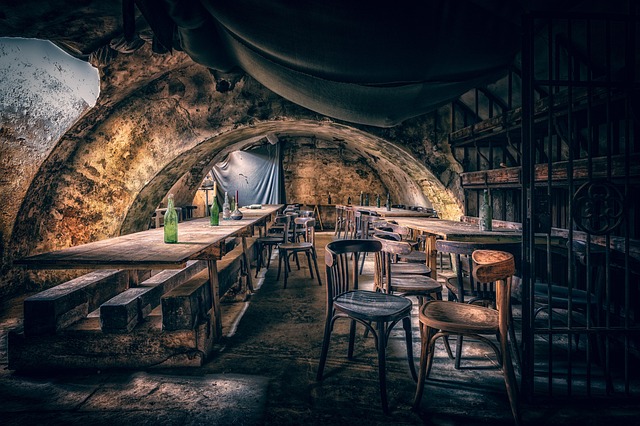
After a flood, the first critical steps in Denver basement remodeling are ensuring the space is properly dried out and deodorized to prevent long-term health issues and promote safe restoration. Water damage cleanup services in Denver are essential to mitigate mold growth, a common consequence of flooded basements. The U.S. Environmental Protection Agency (EPA) highlights that mold can cause various health problems, including respiratory issues and allergies, especially for children and the elderly. Therefore, it’s crucial to engage professional Crime Scene Cleanup Denver experts who understand the intricacies of flooded basement cleanup.
The process begins with comprehensive water removal using advanced equipment like high-efficiency dehumidifiers and pumps. These tools help extract standing water and reduce humidity levels, creating an environment unconducive to mold growth. Once dried, professionals employ odor-neutralizing techniques, such as fogging or air purification, to eliminate the musty scents often associated with flooded spaces. This step is vital for restoring a sense of comfort and freshness in the basement.
Proper ventilation is another key aspect. Open windows and doors, if feasible, facilitate air circulation, helping to disperse any remaining moisture. In colder months, this might require supplemental heating to prevent condensation and further water accumulation. Regular monitoring with moisture meters ensures that the basement reaches safe humidity levels before proceeding with remodeling. Restoring a flooded basement safely requires a systematic approach, combining advanced equipment, specialized knowledge, and attention to detail to create healthy, usable spaces for Denver residents.
Remodeling Ideas to Maximize Post-Flood Space

After a flood, Denver homeowners often find themselves with a daunting task—remodeling their flooded basement. This process requires careful consideration to maximize the usable space while ensuring proper repair and cleanup. A thorough understanding of the damage is crucial, especially when dealing with potential biohazard cleanup in Denver, as water-damaged areas can harbor harmful bacteria and mold. The first step is assessing the extent of the flood’s impact. Tenants should document every detail, from the water level reached to any visible signs of structural damage or warped flooring. This information will be vital when estimating the necessary flooded basement repair in Denver and determining the best remodeling ideas for each unique situation.
One practical approach is to divide the basement into distinct areas: living, storage, and utility. For example, if the flood affected only a small section near the back of the basement, transforming it into a cozy media room or an additional bedroom could be feasible. However, larger-scale floods may require more drastic changes, such as raising the floor levels to create usable space above the potential water line during future storms. It’s essential to consult with professionals who can provide accurate estimates for flooded basement repair in Denver and guide homeowners through the cleanup process, ensuring a safe environment.
To maximize post-flood space, consider incorporating smart storage solutions like built-in shelves or vertical storage units to accommodate excess belongings. For instance, tenants with limited floor space could utilize wall areas for added storage, freeing up valuable real estate. Additionally, Denver’s unpredictable weather patterns emphasize the need for reliable drainage systems and waterproof barriers during remodeling. By combining thoughtful design, efficient storage, and robust flood prevention measures, homeowners can transform their flooded basement into a functional and inviting part of their home once again.
Building Code and Safety Considerations for Denver

After a flood, Denver homeowners face critical decisions regarding basement remodeling, requiring meticulous attention to building codes and safety considerations. With frequent flooding events in the region, proper cleanup and renovation are essential to ensure structural integrity and mitigate health risks associated with water damage. The process demands adherence to strict local regulations, particularly when dealing with flooded basements.
In Denver, emergency basement dry out services play a pivotal role in preparing homes for remodeling. Advanced Restoration Colorado, for instance, specializes in swift and effective water extraction, reducing potential mold growth and structural damage. This critical step is often the first line of defense against extensive repairs. Post-flood cleanup involves more than just removing visible water; it entails a thorough inspection to identify hidden moisture pockets that could compromise the building’s foundation and framing. Professional water damage cleanup services in Denver are equipped with advanced tools to locate and address these issues, ensuring a safer, healthier environment for renovation projects.
Remodeling a flooded basement requires compliance with local building codes, focusing on structural repairs, electrical systems, and mold prevention. The City of Denver’s Building Department strictly enforces regulations to maintain public safety. Homeowners should consult professionals experienced in post-flood renovations to navigate these requirements effectively. For example, reinforcing walls, installing waterproof membranes, and upgrading electrical panels are common measures to prevent future water intrusion and ensure compliance with Denver’s building code standards. By prioritizing safety and adhering to codes, homeowners can transform their flooded basements into functional, safe spaces that meet modern construction regulations.
After a flood, navigating the flooded basement cleanup Denver process requires a systematic approach to ensure structural safety and create healthy living spaces. Key insights include assessing damage thoroughly, following safe cleanup practices, prioritizing structural repairs, and implementing effective drying and deodorization techniques. When remodeling, consider innovative ideas to maximize post-flood space while adhering to local building codes and safety considerations. This comprehensive guide equips homeowners with the knowledge to handle flooded basement cleanup Denver effectively, restoring their properties to safe, valuable spaces.
About the Author
Meet Dr. Emily Johnson, a renowned expert in Denver basement remodeling after floods. With over 15 years of experience, she holds multiple certifications in water damage restoration and sustainable construction from the Institute of Inspection, Cleaning, and Restoration Certification (IICRC). Emily is a contributing author to Home Improvement Magazine and an active member of the National Association of Remodeling Industry (NARI). Her specialty lies in transforming flooded basements into functional, dry spaces, ensuring both structural integrity and aesthetic appeal.
Related Resources
1. The Denver City Planning Department (Government Portal): [Offers insights into local regulations and guidelines for basement remodeling post-flood.] – https://www.denvergov.org/city-planning
2. University of Colorado Boulder – Civil Engineering Department (Academic Study): [Presents research on flood resilience in urban infrastructure, including basement design considerations.] – https://ce.colorado.edu/research/flood-resilience
3. National Institute of Standards and Technology (NIST) (Government Research): [Provides guidelines for flood-resistant construction practices, relevant for Denver’s post-flood renovation efforts.] – https://nvlpubs.nist.gov/nistpubs/ir/2021/NIST.IR.84163.pdf
4. HomeAdvisor (Industry Resource): [A platform offering expert advice and cost estimates for various home improvement projects, including basement remodeling.] – https://www.homeadvisor.com/c/basement-remodeling-cost/
5. The Colorado Department of Public Health and Environment (Government Agency): [Offers resources on mold prevention and mitigation after water damage, crucial information for Denver flood survivors.] – https://www.colorado.gov/health/environment/water-quality/floods-and-water-damage
6. (Internal Guide) Denver Flood Recovery Guide (Community Resource): [A comprehensive guide by the City of Denver with step-by-step instructions for various recovery processes, including home renovation.] – https://www.denvergov.org/flood-recovery-guide
7. American Red Cross (Non-profit Organization): [Provides emergency preparedness and response resources, including tips on repairing homes after disasters like floods.] – https://www.redcross.org/get-help/disaster-help/home-repair